How to Read a Map and Compass: A Beginner's Tutorial
A practical beginner's guide to reading Ordnance Survey maps and using a baseplate compass, covering...

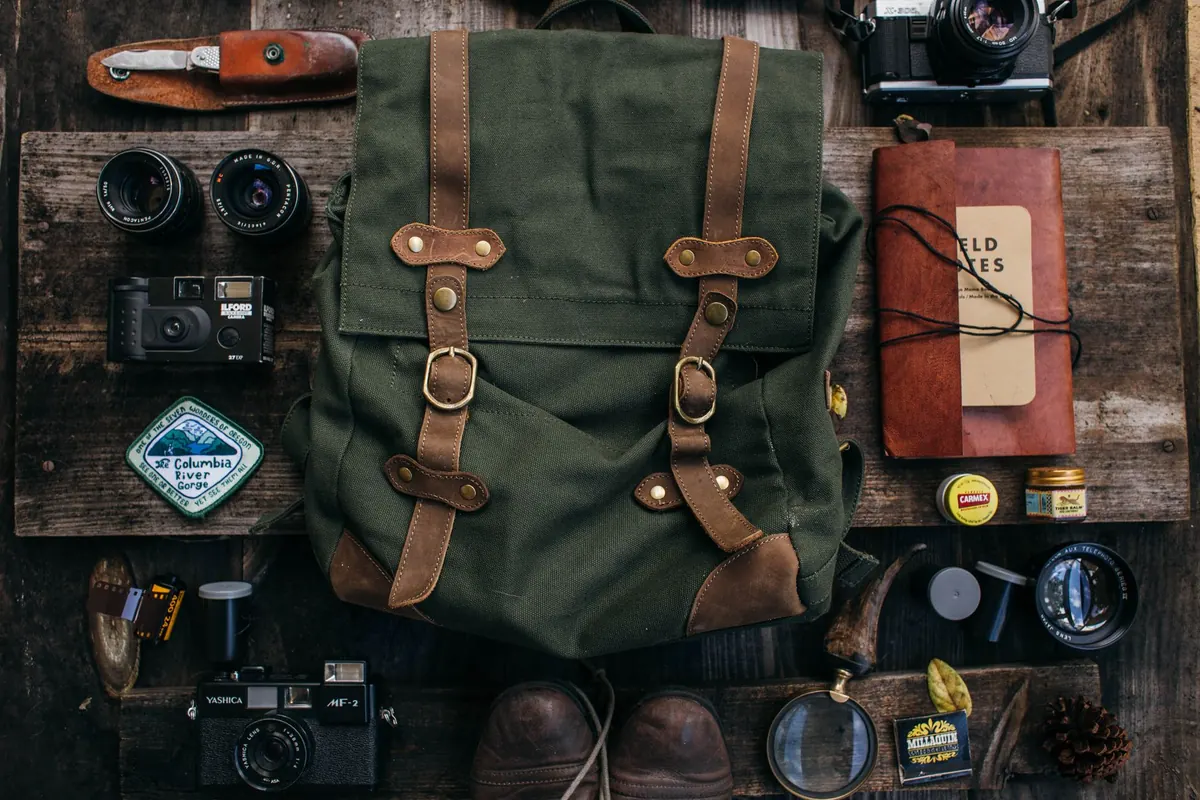
British summer camping is a gamble you take with good humour. You can pitch in warm evening sun, eat outside until the light goes, then wake to fog so thick you can't see the next tent. Pack for that whole range and the weekend looks after itself. What follows is a working checklist for two nights under canvas, whether you're in a Devon meadow, a Welsh valley or a lochside field in Scotland.
Pitch the tent in the garden a week before you go. Ten minutes of checking poles, seams and zips at home saves an hour of swearing in the dark. Look at the pegs too: thin wire ones are useless on hardstanding, so bring a dozen sturdy ones and a mallet.
Pack the tent last so it sits on top of everything else and comes out first. Take a footprint or an old groundsheet to protect the base, plus repair tape and a spare guy line. A folding bin bag for damp flysheets is worth its weight in gold on the Sunday morning pack-down.
Sleeping kit matters more than most people expect. A summer bag with a comfort rating around 5–10°C is usually enough, but a fleece liner adds warmth for very little bulk. The mat is the part people scrimp on, and it's what keeps you warm from below — an insulated inflatable mat or a closed-cell foam mat will do far more for a cold night than an extra blanket. Bring a small pillow, or stuff a fleece into a stuff sack.
You need less than you think, but you do need it organised. A single lidded box for cooking gear makes the whole weekend easier.
Plan by the number of rings on your stove, not by ambition. One-pot meals work best on a Friday night when you're tired and it's getting dark. Cooking at home on Thursday and freezing portions is the single biggest favour you can do yourself: the frozen curry keeps the cool box cold on the drive, then thaws in time for supper.
For breakfast, porridge oats, bacon, eggs in a carton and a loaf of bread cover most moods. Lunch is usually wraps, cheese, hummus, tomatoes and something green that won't wilt. Bring more snacks than you think you need — nuts, fruit, oatcakes, chocolate — because walking and fresh air make everyone hungry.
Coffee is a personal matter. A cafetière or a small press makes a decent cup, and instant is fine if that's what you drink at home. Water is the thing people forget: allow roughly two litres per person per day for drinking and cooking, and refill at the site tap before you leave.
Never store food in the tent overnight. Sealed boxes in the car, or hung up well away from your pitch, keep foxes, mice and gulls out of your breakfast. Wash up properly after every meal and don't tip greasy water onto the grass near other tents.
Pack layers, not outfits. A British summer day can start at 24°C and finish at 10°C with rain in between, and the temperature drops sharply once the sun goes.
Cotton is comfortable until it gets wet, then it stays wet and chills you. If there's one swap worth making, it's socks: damp feet ruin a walk faster than anything else.
A small first aid kit covers most campsite mishaps: plasters, blister plasters, antiseptic, painkillers, tweezers and a tick removal tool. Ticks are common in long grass and on heathland, so check yourself and the dog at the end of each day.
Two safety points are worth repeating. First, check the site's rules on fires and barbecues before you pack the fire pit; many sites insist on raised braziers, some ban fires altogether, and dry spells bring extra restrictions. Second, never use a gas stove, charcoal barbecue or any fuel-burning heater inside a tent or a closed awning. Carbon monoxide builds up quickly in enclosed spaces and kills people every year. Cook outside, or with the door wide open and plenty of ventilation.
Tell someone at home where you're going and when you expect to be back, and keep the site's address and postcode on your phone. If you're camping with a health condition, or taking children for the first time, it's sensible to check with your GP or pharmacist about what to carry.
Pack by category rather than by chance. One bag for sleeping, one box for the kitchen, one bag for clothes — then you can find the toothbrush without emptying the car. Keep a permanent camping box with the torch, pegs, washing-up kit and first aid supplies so you're not rebuilding it every trip.
Charge the power banks and torches, freeze the water bottles, and check the forecast on the morning you leave rather than a week ahead. Arrive before dark if you can, pitch with the door sheltered from the prevailing wind, and leave boots in the porch. You'll have the kettle on within twenty minutes, which is exactly how a weekend should start.
Photo: Rachel Claire / Pexels
A practical beginner's guide to reading Ordnance Survey maps and using a baseplate compass, covering...
A season-by-season guide to wild swimming in the Lake District, covering realistic water temperatures, the...
Camping in the rain is manageable with the right pitch, kit and mindset. Here is how to stay dry, warm and...